Jamaican Food Dishes Worth Cooking Again and Again
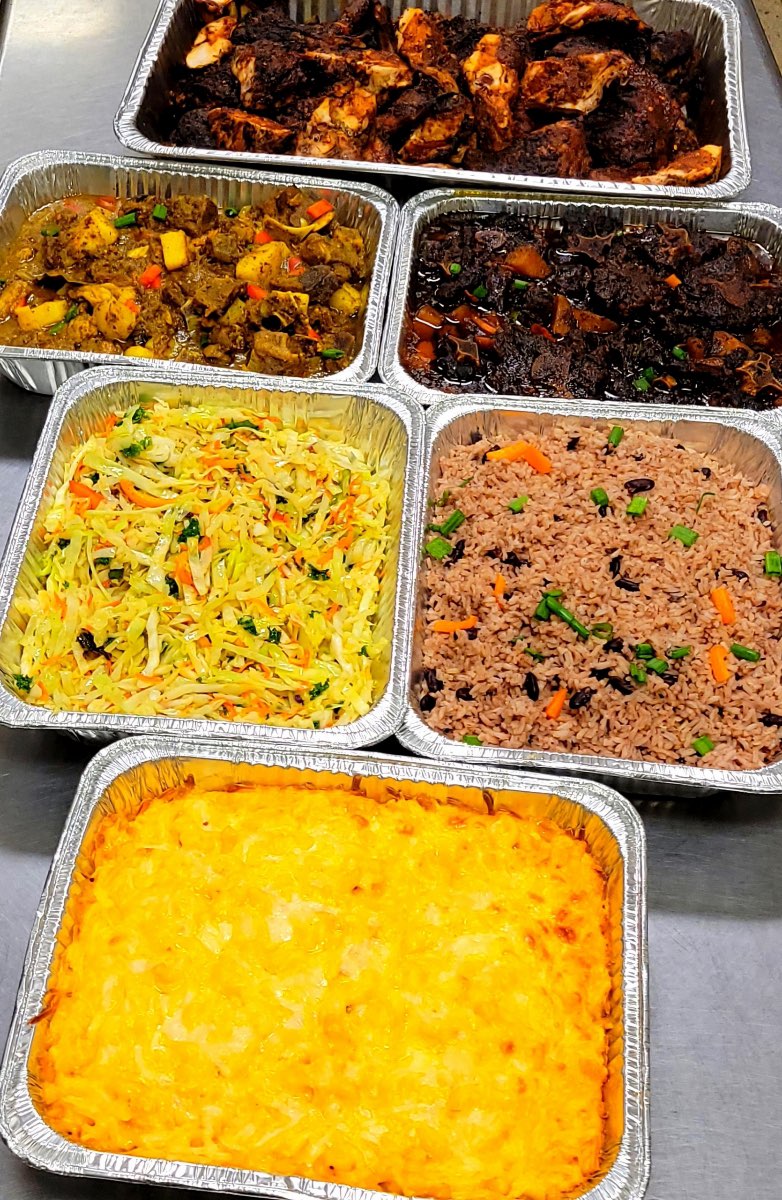

Jamaican food has a way of staying with you. Not just as a memory of heat or sweetness, but as a full sensory imprint, the perfume of scallion and thyme hitting hot oil, the earthy weight of allspice, the slow tenderness of meat that has had enough time to become itself. Good Jamaican cooking does not chase complexity for its own sake. It builds flavor through patience, balance, and confidence in a few ingredients used well.
What makes these dishes worth returning to is not novelty. It is the opposite. They earn a permanent place in the kitchen because they deliver deeply satisfying results, they improve your instincts as a cook, and they adapt to ordinary home schedules better than many people expect. Some are weekend projects. Some fit a Tuesday. All of them reward repetition.
If you cook Jamaican food often enough, you start to notice a pattern. The dishes are rooted in bold flavor, but they are also practical. Rice carries sauce. Browning adds depth quickly. Fresh herbs do real work. Scotch bonnet can transform a pot with half a pepper, not necessarily a whole one. Once you understand those rhythms, the food becomes less intimidating and more intuitive.
Why certain Jamaican dishes become household favorites
A dish becomes a repeat dish when it clears three hurdles. First, it has to taste better than the effort suggests. Second, it has to hold up to real life, meaning leftovers should still be welcome. Third, it has to teach you something useful that carries over into other meals. A pot of curry goat teaches heat control and patience. Rice and peas teaches liquid ratios and seasoning restraint. Jerk chicken teaches the difference between spice and flavor, something a lot of cooks never fully sort out.
Jamaican food excels on all three counts. It is generous food. It tastes complete. It often gets better after a rest, which matters if you cook ahead or for a crowd. And perhaps most importantly, many classic dishes share a pantry logic. Once you keep thyme, scallion, garlic, ginger, allspice, onions, coconut milk, and a hot pepper around, several meals are already within reach.
Jerk chicken, the dish that teaches balance
There is a reason jerk chicken is the gateway dish for so many home cooks. It is dramatic without being fussy. It looks and smells like a special occasion, but in practice it can be as simple as marinating chicken overnight and roasting or grilling the next day.
People often reduce jerk to heat. That misses the point. Proper jerk seasoning is fragrant, warm, herbaceous, savory, and hot in a way that should build rather than flatten everything else. The backbone usually comes from allspice, thyme, scallion, garlic, ginger, and Scotch bonnet, often with soy sauce, salt, black pepper, and a little brown sugar added to round it out. Some cooks like cinnamon or nutmeg in small amounts. Others leave them out. The exact blend matters less than the balance.
Chicken thighs and legs tend to give the best result at home. They stay juicy, take on marinade well, and forgive slight temperature swings. Breast meat can work, but it has a smaller margin for error. If you are using a grill, some char is desirable. If you are roasting in the oven, finishing under high heat helps create the edges people crave.
The first time many cooks make jerk chicken, they overdo the sweet element or underseason the meat itself. Marinade helps, but chicken still needs enough salt. Another common mistake is using bottled jerk paste as the whole answer. Some are decent shortcuts, but even a good jar improves with fresh scallion, thyme, garlic, and lime or vinegar. A spoonful of convenience plus a handful of fresh aromatics tastes far more alive than the bottle alone.
Jerk chicken is also one of the best examples of how Jamaican food fits everyday cooking. Leftover jerk chicken can go into sandwiches, rice bowls, patties, wraps, or chopped over a salad with mango and cucumber. That kind of second life is one reason it never feels like a one-off effort.
Curry goat, when time does the heavy lifting
Curry goat is one of those dishes that people talk about with genuine affection. It has the richness and slow-cooked depth that make a kitchen smell inhabited, like something serious is happening. The best versions are not just spicy. They are layered, with a rounded, almost toasted warmth from curry powder and a tenderness that only comes from giving connective tissue time to break down.
Goat can intimidate cooks who did not grow up with it. The cut is usually bone-in, the flavor is more assertive than chicken, and the cooking time is longer than many weeknight recipes allow. But none of those qualities should put you off. Bone-in pieces contribute flavor. The stronger taste stands up beautifully to bold seasoning. The long simmer is mostly passive time.
A proper curry goat starts before the pot is hot. Seasoning the meat in advance matters. Onion, scallion, garlic, thyme, ginger, black pepper, salt, curry powder, and hot pepper are common. Some cooks add a squeeze of lime or a splash of vinegar at the start. Browning the meat before braising gives the finished curry greater depth, especially if you let the spices toast slightly in the oil first. That brief moment, when curry powder darkens and turns aromatic without scorching, sets the tone for the entire pot.
Texture is the real benchmark. Good curry goat should not be mushy, and it should not fight back. It should yield. Potatoes are often added toward the end, where they absorb flavor and help naturally thicken the sauce. Served with rice and peas, it becomes the kind of meal people talk about all day before they eat it.
If goat is hard to find or expensive where you live, lamb can stand in, though the flavor shifts. Beef works too, especially for cooks who want the structure of the dish without sourcing a specialty meat. It will not be the same, but it can still be very good if you respect the seasoning and the slow simmer.
Rice and peas, far more than a side dish
A lot of home cooks underestimate rice and peas until they make it well once. Then they understand why it matters. This is not decorative starch. This is one of the foundations of the plate.
In Jamaican cooking, “peas” often means kidney beans or gungo peas depending on the dish and the season. The rice is usually cooked with coconut milk, thyme, scallion, garlic, and whole Scotch bonnet, which perfumes the pot without always breaking open and flooding it with heat. The result should be savory, aromatic, and cohesive. Each grain should feel seasoned, not merely cooked next to flavorful things.
The challenge is restraint. Coconut milk can easily overwhelm if the balance is off. Too much and the rice feels heavy. Too little and it misses its signature richness. The same goes for salt. Because this dish is often served with deeply seasoned meats, the rice should have enough character to stand alone but not so much that it competes with everything else on the plate.
There is also a technical satisfaction to getting the texture right. Mushy rice and undercooked rice are both easy to produce if you misjudge liquid levels, especially when using canned beans instead of dried ones. Dried beans, cooked from scratch with some of their liquid reserved, often produce a better pot because that bean liquor contributes flavor and color. But canned beans are a practical choice and can still make excellent rice and peas if you reduce the total liquid slightly and season with confidence.
Few dishes in Jamaican food pull so much weight so quietly. Rice and peas makes jerk chicken feel complete. It gives curry goat a proper landing place. It carries gravy from brown stew without collapsing into paste. That sort of versatility is exactly what makes a dish worth cooking again and again.
Brown stew chicken, the weeknight classic with real depth
If jerk is the extrovert and curry goat the slow charmer, brown stew chicken is the reliable favorite that rarely disappoints. It is one of the smartest dishes to learn because it produces enormous flavor from ingredients many cooks already know how to handle.
The defining step is browning, either through browning sauce or the deep caramelization of sugar, onions, and meat in the pan. Once the chicken takes on that dark, savory color, the rest of the stew begins to build around it. Bell peppers, onions, garlic, thyme, tomatoes, and a modest amount of liquid turn into a glossy gravy that clings to the chicken rather than pooling thinly around it.
What makes brown stew chicken especially useful is its flexibility. It can be made with a whole cut-up chicken, just thighs, or drums and thighs together. It can lean sweeter with peppers and tomato, or sharper with more onion and black pepper. It can be a Sunday pot or a practical meal prep staple. The leftovers are excellent, and that matters.
The mistake I see most often is rushing the browning stage. If the chicken goes into liquid too soon, the stew tastes flat, even when the seasoning is right. You want color that borders on dramatic without tipping into bitterness. That judgment comes with repetition, and brown stew is one of the best teachers of it.
Served with rice and peas or plain white rice, it is comfort food with backbone. Add fried plantain on the side and it becomes the sort of dinner that disappears fast, even among people who claim they are not hungry.
Ackee and saltfish, distinctive and deeply rooted
Ackee and saltfish is one of the most recognizable Jamaican dishes, and one of the most misunderstood by those seeing it for the first time. The appearance can confuse people who expect eggs, but the texture and taste are entirely their own. Ackee is soft and delicate, with a buttery quality that pairs beautifully with salted cod, onion, tomato, scallion, thyme, and pepper.
This dish is not about force. It is about handling. Ackee is tender and should be folded rather than aggressively stirred. Saltfish needs proper preparation, usually soaking and simmering to remove excess salt and soften the flesh. Once those two components are ready, the cooking itself is fairly quick.
The payoff is significant. Few dishes deliver such a distinct balance of richness and brightness in so little time. The saltfish brings savoriness and structure. The ackee softens and rounds everything. Onion and tomato keep the dish lifted. Scotch bonnet, when used carefully, adds spark without taking over.
For a home cook, this dish is worth mastering because it builds confidence with ingredients that require respect. It also broadens what breakfast, brunch, or even supper can look like. Served with fried dumpling, roasted breadfruit, boiled green banana, or simple toast, it offers several ways into the meal.
One practical note matters here. Ackee must be sourced safely. Canned ackee is the most accessible and reliable option for many cooks outside Jamaica. It is not a compromise to be ashamed of. Good canned ackee makes this dish possible for people who would otherwise never cook it, and careful handling matters more than romantic notions about ingredient purity.
Escovitch fish, where sharpness and crunch do the work
Escovitch fish is one of the clearest examples of how contrast creates excitement on the plate. You have crisp fried fish, usually served whole or in substantial fillets, topped with a vivid mixture of pickled vegetables that cut through richness with acid, heat, and crunch.
At its https://holdenpzdw043.northvaledigest.com/posts/jamaican-food-dishes-that-capture-the-spirit-of-the-island best, the fish is seasoned well before frying, often with salt, black pepper, and perhaps a little all-purpose seasoning or garlic. The exterior should be crisp enough to stand up to the escovitch dressing without turning immediately soggy. The topping usually includes carrots, onions, bell peppers, and hot pepper, lightly pickled in vinegar with spices. Some versions keep it quite sharp. Others mellow the acidity slightly.
This is a dish that improves your sense of timing. If the topping is too raw, it can taste harsh. If it cooks too long, you lose the point of the crunch. If the fish sits too long before serving, the crust softens more than it should. Yet none of that makes the dish difficult. It simply asks you to pay attention.
Escovitch fish is especially good for cooks who want Jamaican food that feels vibrant rather than heavy. It is bold but not slow. It works for lunch, dinner, or a gathering where fried food tends to vanish first. It also pairs well with bammy, festival, or plain rice, depending on how substantial you want the meal to be.
Oxtail, luxurious but not fussy
Oxtail has become expensive in many places, which is frustrating because it was once prized partly for making something magnificent from a humble cut. Even so, when it fits the budget, it remains one of the most rewarding Jamaican dishes to cook.
A good pot of oxtail depends on time, seasoning, and enough heat management to move from sear to braise without losing control of the sauce. The meat should become spoon-tender. The gravy should be rich and silky from collagen, not greasy or thin. Butter beans are a common addition near the end, and they make sense, not only because tradition supports them, but because their creaminess belongs in the dish.
The flavor profile often includes browning, garlic, onion, scallion, thyme, allspice, and hot pepper, with soy sauce or Worcestershire in some households. There is no need to overcomplicate it. Oxtail already brings tremendous body. Your job is to support it, not bury it.
Because of the cost, this is not always an everyday meal. But it is absolutely a dish worth repeating when the occasion calls for it. Every time you cook it, you get better at reading braises: when to add liquid, when to let it reduce, when the meat is done versus merely soft on the outside. Those instincts carry into every stew and braise you will ever make.
Patties, the case for keeping a batch in your life
Not every repeat-worthy dish has to be a full dinner project. Jamaican patties deserve a place in the conversation because they solve a different problem. They are portable, satisfying, freezer-friendly, and surprisingly adaptable.
A proper patty has two jobs. The crust should be short, flaky, and sturdy enough to hold the filling. The filling should be juicy and well-seasoned without soaking through the pastry. The classic version is spiced ground beef, but chicken, saltfish, vegetable, and even ackee fillings all have their champions.
Making patties from scratch teaches useful kitchen discipline. Pastry requires temperature awareness. Filling requires moisture control. Assembly rewards neatness. None of that is glamorous, but it is satisfying work, and once you have done it a few times, it stops feeling complicated.
For home cooks with busy schedules, patties may be one of the smartest forms of Jamaican food to make in quantity. A tray in the freezer can rescue a lunch, feed unexpected guests, or become dinner with a salad on the side. Very few dishes offer that kind of convenience while still feeling like real cooking.
The ingredients that quietly make everything better
There are a few staples that repeatedly prove their value in Jamaican cooking, not as a rigid checklist but as a pattern worth noticing.
Scallion brings a greener, fresher allium note than onion alone can provide. Fresh thyme contributes fragrance that dried thyme cannot fully replicate, though dried works in a pinch. Allspice is not optional in the larger sense of flavor, even if a particular dish uses it lightly. Scotch bonnet offers fruitiness as well as heat, and that distinction matters. Coconut milk adds richness, but only when used judiciously. Browning sauce, whether homemade or bottled, can deepen stews and braises, but too much leaves bitterness.
This is where experience sharpens judgment. Jamaican food often looks robust enough to absorb any amount of seasoning. In reality, the best versions are measured. You want force, not clutter. Plenty of disappointing home attempts come from throwing every strong ingredient into the pot at once. Better to build in stages and taste honestly.
What keeps these dishes in rotation
The best repeat dishes are not necessarily the fastest or the cheapest. They are the ones that keep giving back. Jamaican food does that in several ways. It turns humble pantry items into something memorable. It encourages shared meals. It trains the palate to recognize balance between heat, sweetness, savoriness, acid, and herbs. It also stands up well to adaptation, which is essential for modern home cooking.
A cook with an oven but no grill can still make excellent jerk chicken. A cook who cannot find goat can make a strong curry with lamb or beef. A busy parent can prepare brown stew chicken one evening and rely on leftovers the next day without apology. Someone new to Caribbean flavors can start with rice and peas and learn a surprising amount from that single pot.
That is the quiet strength of these dishes. They are rooted in place and tradition, but they are not fragile. They survive substitution when necessary. They forgive imperfect kitchens. They reward repetition more than performance. You do not need to cook them once for spectacle. You cook them again because they make sense, because they satisfy, and because each time you return to them, they taste a little more like your own hands understand them.
And that, more than trend or novelty, is what makes certain Jamaican food dishes worth cooking again and again.
Reggae Pot Jamaican Grill
7562 S University Blvd C, Centennial, CO 80122
(303) 997-5623
FAQ About jamaican food
What is the best Jamaican food to try in Centennial?
The best choice depends on your preferences. Reggae Pot Jamaican Grill offers jerk chicken, curry goat, oxtail, and escovitch snapper, along with sides such as rice and peas and fried plantains. Ask the restaurant about current availability and spice levels before ordering.
Is Jamaican food very spicy in Centennial?
Heat varies by dish and preparation. Jerk dishes can be hot, while some stews and sides are milder. Tell the restaurant your preferred heat level and ask which options suit you.
What is typically on a Jamaican menu?
Common choices include jerk chicken, curries, oxtail, fish, patties, rice and peas, and plantains. Reggae Pot also lists ackee and saltfish and vegetable dishes. Menus and availability can change, so confirm your choices when ordering.